
henry ossawa tanner
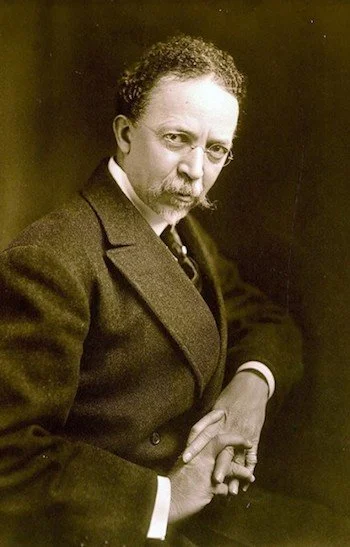
Henry Ossawa Tanner (1859–1937) was one of the most influential American painters of his time and one of the first African American artist to gain international recognition as a fine artist. His work tells quiet, powerful stories rooted in everyday life, faith, and careful observation.
Tanner was born in Pittsburgh, Pennsylvania. His father was a minister and his mother had escaped enslavement through the Underground Railroad. From a young age, Tanner showed a deep interest in art, but becoming a professional artist was not an easy path, especially for a Black artist in the late 19th century. He studied at the Pennsylvania Academy of the Fine Arts, where he learned traditional painting techniques and developed a strong foundation in realism.
Despite his talent, Tanner faced racism and limited opportunities in the United States. In search of artistic freedom, he moved to Paris, France, where he found a more supportive environment and a thriving art community. There, his career flourished. He became known for his use of light, rich color, and emotional storytelling.
Two of Tanner’s most well-known works, The Banjo Lesson and The Thankful Poor, show intimate scenes of family life. These paintings were groundbreaking. At a time when Black figures were often shown through harmful stereotypes, Tanner portrayed his subjects with dignity, warmth, and respect. He focused on quiet moments of teaching, listening, giving thanks that invite viewers to slow down and look closely.
At Museum Cat, we believe Tanner’s work is perfect for young learners and curious minds. If you’d like to explore his art more deeply, you can find classroom-ready lessons, slides, and activities in our shop on Teachers Pay Teachers, and thoughtfully designed products inspired by art history here at Museum Cat.